



 EnglishEnglish
YUXI tire shredder machine is built for whole tire pre-shredding, truck tire size reduction, TDF chip preparation and rubber recycling lines. The dual-shaft cutting chamber works with a disc screen return system, so oversized rubber pieces are sent back automatically instead of being manually sorted.
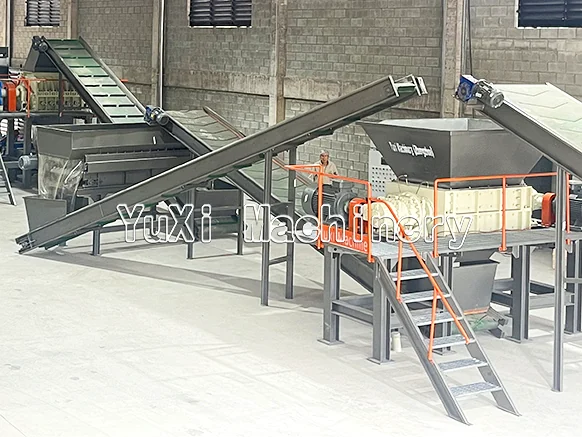
A tire shredder machine is industrial size-reduction equipment used to cut scrap tires, waste rubber and tire-derived materials into smaller pieces for recycling, fuel preparation or downstream granulation.
For a waste tire recycling project, the shredder is usually the first heavy-duty machine after tire feeding or bead wire removal. It has to handle elastic rubber, steel wire, fabric cord, uneven tire shapes and sudden feeding load changes. That is why a normal plastic shredder or light-duty crusher is not suitable for whole tire recycling.
The YUXI design uses a twin shaft tire shredder structure. Two counter-rotating shafts pull the tire into the cutting chamber, shear it with alloy blades, and discharge rough rubber pieces onto the screening section. The screen separates qualified material from oversized pieces. Oversized material returns to the shredder for another pass.
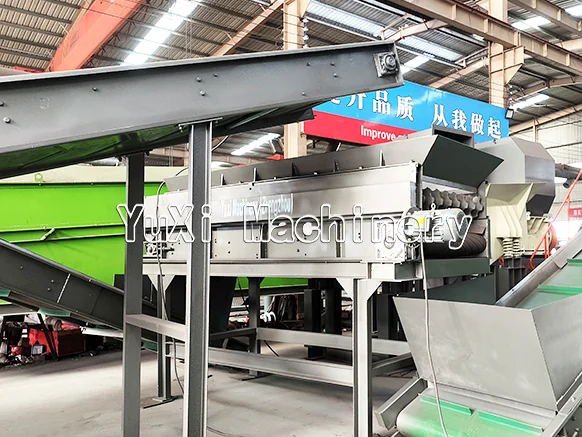
The machine can be configured for passenger tires, truck tires, construction tires and mixed rubber waste. The final model depends on tire diameter, steel content and required output size.
Suitable for common scrap tire collection, tire recycling plants and rubber chip production. It can be used before wire separation, granulation or rubber powder grinding.
Truck tires have thicker rubber and stronger wire. A heavy duty tire shredder machine needs higher torque, stronger blades and stable feeding.
For large OTR tires, the project may need pre-cutting, bead removal or a customized feeding system before shredding.
Rubber belts and industrial rubber sheets can be processed when the feeding size and steel reinforcement are confirmed.
Rubber pads, tubes, seals, soles and production offcuts can be shredded as part of a rubber recycling line.
When the target is TDF, the shredder and screen are selected around chip size, steel tolerance and downstream fuel requirements.
The key difference between this tire shredder and a basic twin-shaft shredder is the return material screening system. It reduces oversized discharge and keeps the output more stable.
Scrap tires are fed by conveyor or loader into the hopper. The feed height and conveyor angle can be adjusted for plant layout.
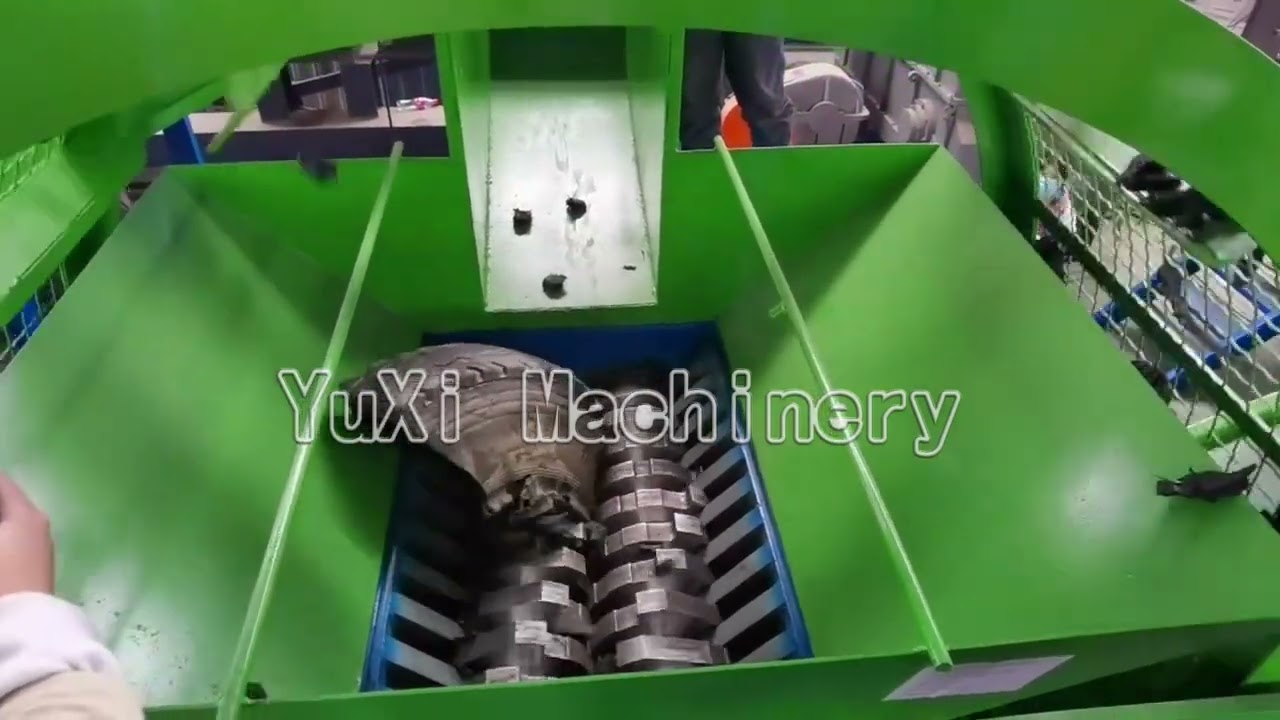
Two low-speed, high-torque shafts grip and shear the tire. The structure is more suitable for steel wire rubber than high-speed impact crushing.
Qualified pieces pass through the screening section. Large pieces stay on the screen and move toward the return route.
Oversized material is returned to the shredder for secondary cutting, reducing manual sorting and uneven output.
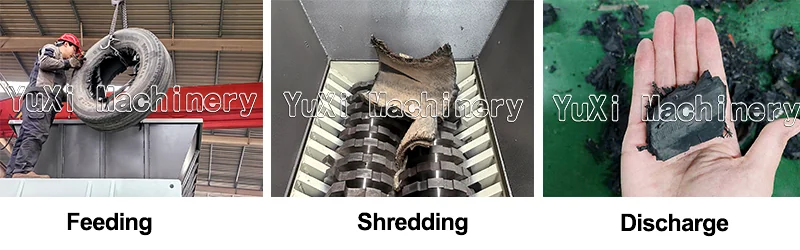
Before choosing a tire shredding machine, confirm what the shredded tire pieces will be used for. TDF, rubber chips and granulation feedstock need different output control.
| Target Output | Typical Use | Recommended Page Focus |
|---|---|---|
| Rough tire shreds | Volume reduction, transport reduction, pre-shredding before separation | Whole tire shredder machine |
| TDF rubber chips | Tire-derived fuel preparation for cement kiln or energy recovery | Tire shredder for TDF |
| Rubber chips for granulation | Feed material for steel wire separation, granulator and rubber powder line | Tire recycling shredder |
| Pre-cut rubber pieces | Downstream grinding, fiber removal, rubber powder processing | Waste tire shredder machine |
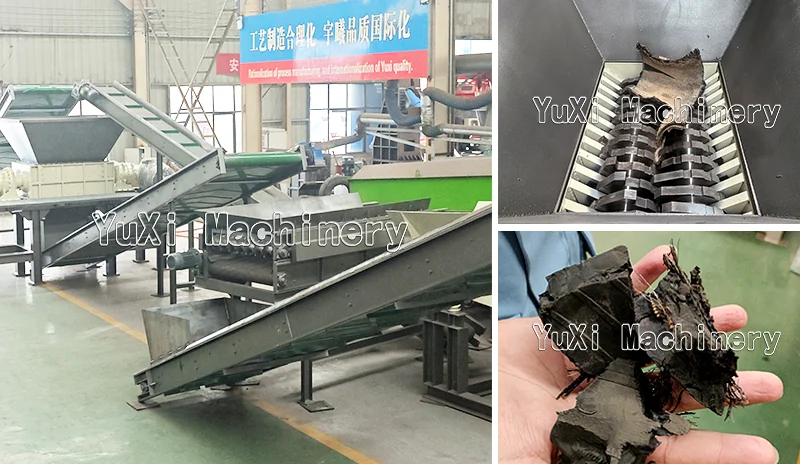
A single tire shredder can reduce tire size, but a recycling plant normally needs a feeding, screening, conveying and separation system. The configuration should follow your raw material and final product.
Transfers whole tires or pre-cut tire sections into the shredder. It improves feeding rhythm and operator safety.
The main dual-shaft shredder cuts rubber and steel wire tire material with low speed and high torque.
Controls output size and separates oversized pieces for return shredding.
Sends unqualified material back to the shredder automatically, making the output more consistent.
Can be added after shredding when steel wire removal is required before further processing.
For crumb rubber or rubber powder production, the shredder works as the front-end size reduction stage.
Instead of choosing by motor power only, confirm the working material, target chip size, expected hourly output, blade structure and return screening arrangement.
| Item | What to Confirm | Why It Matters |
|---|---|---|
| Raw tire type | Passenger, truck, bus, OTR, agricultural tire, mixed rubber | Determines torque, blade thickness and hopper size. |
| Maximum tire diameter | Largest tire size entering the machine | Affects chamber opening, feeding method and pre-cutting needs. |
| Steel wire content | Bead wire removed or not; radial tire wire level | Influences blade wear, torque reserve and downstream separation. |
| Required output size | Rough shreds, TDF chips, rubber chip feedstock | Determines blade arrangement and screen return setting. |
| Capacity target | Hourly input target and daily operating hours | Helps select motor, reducer, frame and conveyor capacity. |
| Downstream process | Wire separation, granulation, powder grinding, TDF shipment | Prevents buying a shredder that does not match the whole line. |
| Maintenance plan | Blade replacement, lubrication, reducer inspection | Reduces shutdown risk in continuous recycling projects. |
A good inquiry should describe the waste tire source and the final product, not only ask for tire shredder machine price.
YUXI can design the tire shredding equipment as a single machine or part of a complete waste tire recycling line. For overseas projects, layout drawings, container loading, test running video and spare blade plans are usually more important than a generic catalog.
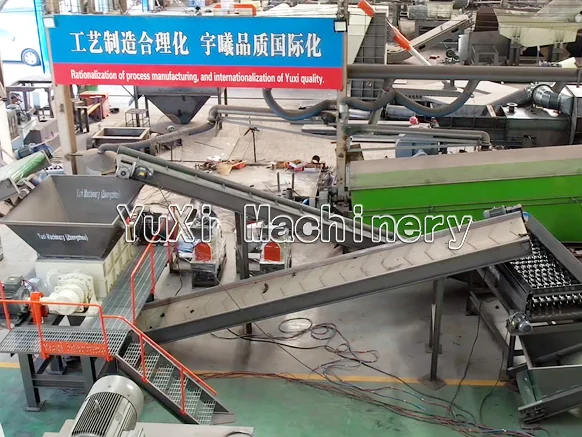
Video is useful for buyers because tire shredding load, material return and discharge condition are difficult to judge from catalog photos alone.
The page should not only say the machine is durable. It should explain which tire recycling problems the design solves.
The dual-shaft shredder pulls tires into the cutting chamber instead of relying on impact. This is better for elastic rubber and steel wire material.
The disc screen return system sends large pieces back for re-shredding, helping produce a more controlled output for downstream equipment.
The shredder can be configured for rough shreds, TDF chips, rubber chip feedstock or a complete tire recycling plant.
Thick welded steel frame and reinforced cutting chamber help handle tire wire, uneven feed and long working hours.
Platforms, conveyors and machine layout can be planned around blade inspection, cleaning and replacement.
Before shipment, test running photos or videos can confirm feeding direction, discharge condition and control logic.
The output size of shredded tires depends on the tire shredder machine configuration, blade design, screening system and final recycling objective. Different output sizes are suitable for different downstream processes, from tire-derived fuel (TDF) production to rubber mulch, crumb rubber and rubber powder manufacturing.
| Output Size | Typical Product | Common Application | Recommended Equipment Stage |
|---|---|---|---|
| 150-300 mm | Rough Tire Shreds | Primary volume reduction, storage reduction and landfill diversion. | Primary tire shredder or whole tire shredder machine. |
| 50-150 mm | TDF Chips | Tire-derived fuel for cement plants, industrial boilers and power generation. | Primary shredder with screening and return conveyor. |
| 20-50 mm | Rubber Chips | Rubber mulch production, secondary recycling and material preparation. | Secondary tire shredding line with magnetic separation. |
| 10-20 mm | Granulator Feedstock | Feed material for crumb rubber processing plants. | Tire shredder plus granulator and steel separation system. |
| 1-5 mm | Crumb Rubber | Sports surfaces, rubber mats, molded rubber products and modified asphalt. | Granulation system after primary and secondary shredding. |
| 30-120 Mesh | Rubber Powder | Fine rubber products, compound manufacturing and modified material applications. | Grinding and milling system after complete size reduction. |
For most waste tire recycling projects, selecting the output size is more important than simply choosing a larger shredder. The required chip size determines the complete process configuration, including shredders, screens, steel separation systems, granulators and downstream conveying equipment.
A tire recycling shredder can reduce passenger tires, truck tires and some industrial tires, but the final size depends on the complete line design. A primary tire shredder focuses on torque and material intake. A secondary shredder, screen and return conveyor are added when more uniform tire chips are required.
For buyers comparing tire shredding equipment, the practical question is not only “what capacity can the machine reach?” but also “what output size can be produced continuously without frequent blockage, blade overload or excessive wear?” This is why output size, tire type and capacity should be evaluated together during equipment selection.
Share your tire type, target capacity and required final product. YUXI can help match the primary shredder, screen, return conveyor, magnetic separator and downstream recycling equipment for your project.
Answers for common buyer questions before requesting a quotation.
A tire shredder machine is used to cut scrap tires and waste rubber into smaller pieces for recycling, TDF production, rubber chip preparation or downstream granulation.
Yes, it can be configured as a whole tire shredder machine. The final configuration depends on tire diameter, truck tire ratio, steel wire content and desired output size.
A tire shredder usually uses low-speed, high-torque shafts to shear rubber and steel wire. A crusher is often used for smaller rubber pieces or downstream size reduction.
Truck tires can be processed with a heavy-duty configuration. OTR tires may require pre-cutting, bead removal or a customized feeding system depending on tire size.
The output depends on blade design, screen setting and return system. Common project targets include rough shreds, TDF chips and rubber chip feedstock for further processing.
Yes. For TDF projects, the shredder should be matched with screening and metal handling requirements so the tire chips meet the fuel user’s size and cleanliness needs.
Main cost factors include model size, shaft and blade design, motor and reducer configuration, conveyor system, disc screen, automation, spare blades and project layout requirements.
Yes. The tire shredder can be supplied as a single machine or integrated with wire separation, granulation, fiber removal and rubber powder grinding equipment.
To recommend a practical machine, please share tire type, maximum tire diameter, required output size, capacity target, downstream process and available workshop space. YUXI can prepare a suitable tire shredding equipment layout instead of only sending a generic model list.