




Are you searching for “TDF fuel production costs” or “how to qualify TDF chips for cement kilns”? A TDF (Tire-Derived Fuel) shredding production line turns whole waste tires into 2-6 inch (50-150mm) uniform rubber chips—with a 99.9% steel/fiber removal rate, zero secondary pollution, and a calorific value 10% higher than coal. Today, we break down its full workflow, equipment specs, and real-world cost savings.
Ⅰ. What is a TDF Shredding Production Line? Core Impact
A TDF shredding production line is a purpose-built system that processes all types of waste tires (passenger car, truck, OTR, agricultural) into 2-6 inch TDF chips—fuel that replaces coal, natural gas, and oil in high-temperature industrial processes. These chips meet the EPA’s “Tier 1 TDF” standards (≤0.5% metal content, ≤1% fiber content) and have a calorific value of 18,000-20,600 BTU/lb.
Its core impact lies in:
- Cutting fuel costs by 20-30% for cement kilns and industrial boilers (TDF costs $44-66 per short ton, vs. coal’s $60-80 per short ton).
- Diverting 100% of waste tires from landfills—1 ton of TDF replaces 0.8 tons of coal and reduces CO₂ emissions by 1.2 tons.
- Generating dual revenue: selling TDF chips and recycling separated steel (97-98% pure, sold to smelters for $100-150 per short ton).
Ⅱ. 7-Step Process of a TDF Shredding Production Line
The line’s workflow is designed to produce uniform, high-quality TDF chips with minimal manual intervention:
- Tire Feeding & Debeading
Whole tires are loaded into a Debeader Machine via conveyor, which removes the steel bead (1-2kg per tire) to prevent damage to downstream equipment. Bead steel is collected and sold separately. - Primary Shredding
Tires enter a Dual-Shaft Primary Shredder (motor power 75-150 HP) that cuts them into 12-20 inch (300-500mm) large blocks, with a processing capacity of 2-10 short tons/hour. - Secondary Shredding
Large blocks are fed into a Single-Shaft Secondary Shredder (motor power 100-215 HP) that reduces them to 4-8 inch (100-200mm) medium chips, with adjustable knife gaps to control output size. - Steel Separation
Medium chips pass through a Multi-Stage Magnetic Separator (magnetic field strength 14,500-18,000 Gauss) that removes 99.9% of steel wire—separated steel is baled and sold. - Fiber Separation
Chips enter an Air Separator (airflow rate 1,500-2,500 CFM) that blows away 99% of textile fibers (nylon/polyester), ensuring TDF meets “≤1% fiber content” standards. - Size Grading
A Vibrating Grading Screen (screen size 2-6 inch) separates chips by size—oversize chips are returned to the secondary shredder, while undersize chips are sent to the final stage. - TDF Chip Collection & Packaging
Uniform 2-6 inch chips are collected in a Silo or Bulk Bagging Machine (25-50kg bags or bulk trucks), with a final moisture content of <5% and ash content of <10%.
Ⅲ. Core Equipment Parameters of a TDF Shredding Production Line
Each machine is calibrated to produce EPA-qualified TDF chips:
- Debeader Machine:
Input: Whole tires (diameter ≤55 inches, thickness ≤8 inches)
Output: Bead steel (1-2kg per tire), bead-free tires
Processing Capacity: 50-100 tires per hour - Primary Shredder:
Input: Bead-free tires
Output: 12-20 inch blocks
Motor Power: 75-150 HP
Processing Capacity: 2-10 short tons/hour - Secondary Shredder:
Input: 12-20 inch blocks
Output: 4-8 inch medium chips
Motor Power: 100-215 HP
Processing Capacity: 1.5-8 short tons/hour - Magnetic Separator:
Input: 4-8 inch medium chips
Output: 99.9% steel-free chips, 97-98% pure steel wire
Magnetic Field Strength: 14,500-18,000 Gauss - Air Separator:
Input: Steel-free chips
Output: 99% fiber-free chips, textile fiber (sold as fuel)
Airflow Rate: 1,500-2,500 CFM - Vibrating Grading Screen:
Input: Fiber-free chips
Output: 2-6 inch TDF chips, oversize/undersize chips (recycled)
Screen Size: 2-6 inch (50-150mm)
Ⅳ. 8 Key Benefits of a TDF Shredding Production Line
The line delivers measurable value for waste management and industrial fuel users:
- Cost Savings: TDF costs 20-30% less than coal, reducing annual fuel expenses by $100k-$500k for mid-sized cement kilns.
- High Calorific Value: 18,000-20,600 BTU/lb (10% higher than coal) means less fuel is needed to achieve the same heat output.
- Low Emissions: TDF reduces SO₂ emissions by 15% and CO₂ emissions by 10% compared to coal, meeting EPA’s “Clean Fuel” standards.
- Uniform Chip Size: 2-6 inch chips flow evenly in kilns/boilers, avoiding clogs and ensuring consistent combustion.
- Dual Revenue Streams: Sell TDF chips and recycled steel/fiber, increasing project profit by 25-40%.
- Zero Landfill Waste: 100% of tires are converted into usable products, avoiding $10-20 per tire landfill fees.
- Easy Integration: The line can be added to existing waste tire recycling plants, with a footprint of 150-300㎡.
- Low Maintenance: Modular design with replaceable knives/rollers, annual maintenance costs <5% of equipment price.
Ⅴ. TDF Shredding Production Line: Investment & Payback
For a 5 short ton/hour TDF line:
- Equipment Investment: $200k-$400k (includes all 7 stages of processing).
- Raw Material Cost: $44-66 per short ton of waste tires.
- Operating Cost: $20-30 per short ton (electricity, labor, maintenance).
- TDF Selling Price: $100-150 per short ton.
- Steel Selling Price: $100-150 per short ton.
- Payback Period: 18-24 months (based on 8-hour daily operation, 300 days/year).
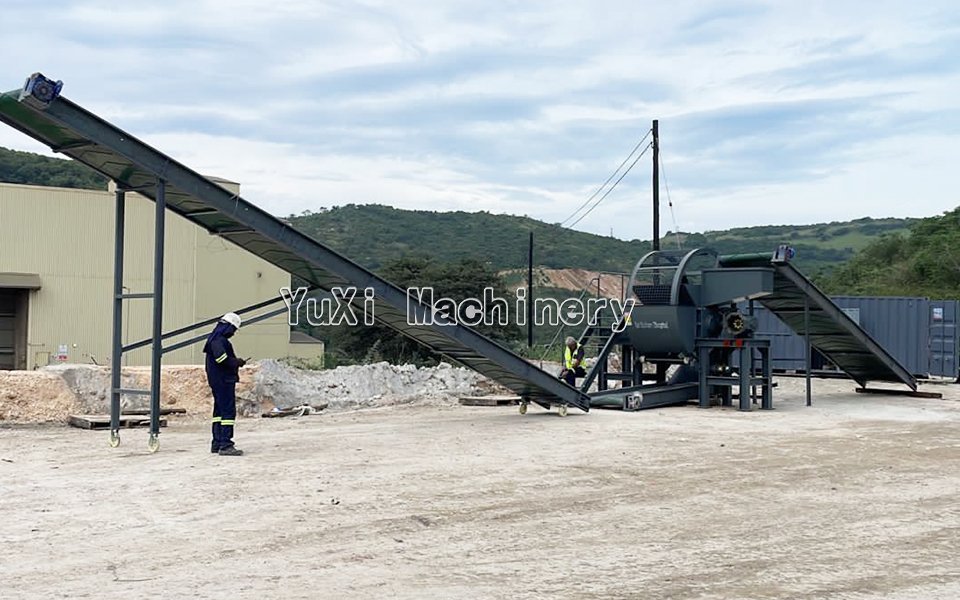
Ⅵ. 3 Real-World Use Cases of TDF Shredding Production Lines
- U.S. Cement Kiln: A 10 short ton/hour TDF line supplies 20% of the kiln’s fuel needs, cutting annual fuel costs by $400k and reducing CO₂ emissions by 1,200 tons.
- European Industrial Boiler: A 3 short ton/hour line replaces 30% of natural gas with TDF, saving $150k/year and meeting EU’s “Circular Economy” targets.
- Canadian Waste Management Company: A 5 short ton/hour line processes 15,000 short tons of tires annually, generating $1.2M in TDF revenue and $300k in steel revenue.
A TDF shredding production line is a “win-win” solution—turning waste tires into high-value fuel that cuts industrial costs, reduces emissions, and diverts 100% of tires from landfills. With a 18-24 month payback period and 20-30% fuel cost savings, it’s a critical asset for businesses aiming to meet sustainability goals and boost profitability.