



Tire TDF Plant

YUXI Tire TDF Plant processes passenger, truck, OTR and mining tires into tire-derived fuel chips. The standard final TDF size is 50–80 mm. Output can be adjusted within an approximate 50–150 mm range by changing the screen specification and returning oversized pieces to the shredder.

This is a mechanical tire size-reduction line, not a pyrolysis plant. It combines bead-wire removal, tire cutting, shredding and a controlled oversize-return loop to match the receiving plant’s fuel-chip requirement.

Compare Lines
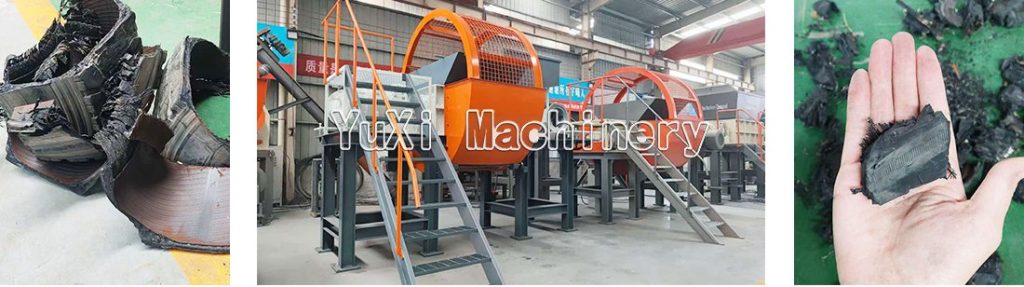
TDF (Tire-derived fuel)Plant Real shot
0.5–20 t/hReference capacity range
50–80 mmStandard final TDF size
50–150 mmAdjustable output range
Screen ControlSize adjusted by screen selection

How the Tire TDF Plant Works

The line is designed for whole passenger, truck, OTR and mining tires. It reduces bulky waste tires into controlled tire-derived fuel chips that are easier to convey, store and feed into an approved industrial fuel system.

The standard final TDF size is 50–80 mm. The same production line can be adjusted within an approximate 50–150 mm output range by changing the screen specification. Material small enough to pass the selected screen is discharged, while oversized pieces return to the shredder for further cutting.

Line selection starts with the receiving plant’s specification. The required chip size, maximum oversize and allowable exposed steel determine the screen opening, recirculation load and practical finished-product capacity.

Tire TDF Plant Real Shot

TDF Production Process

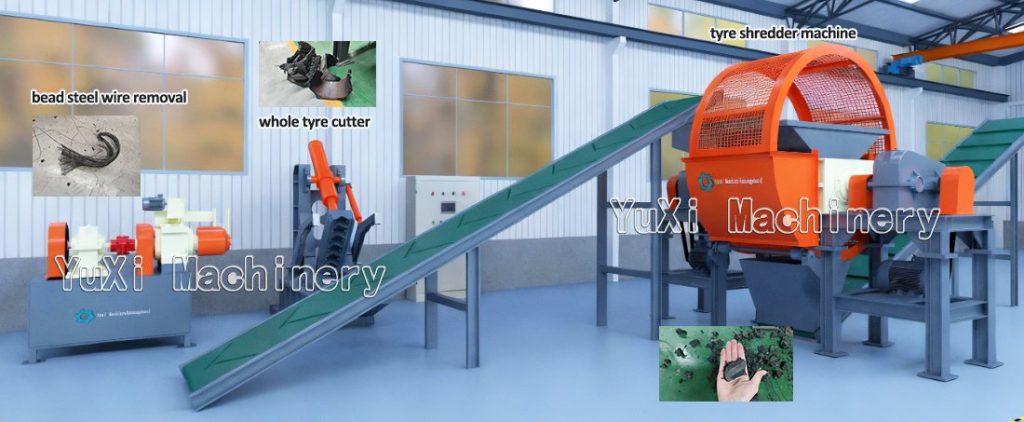
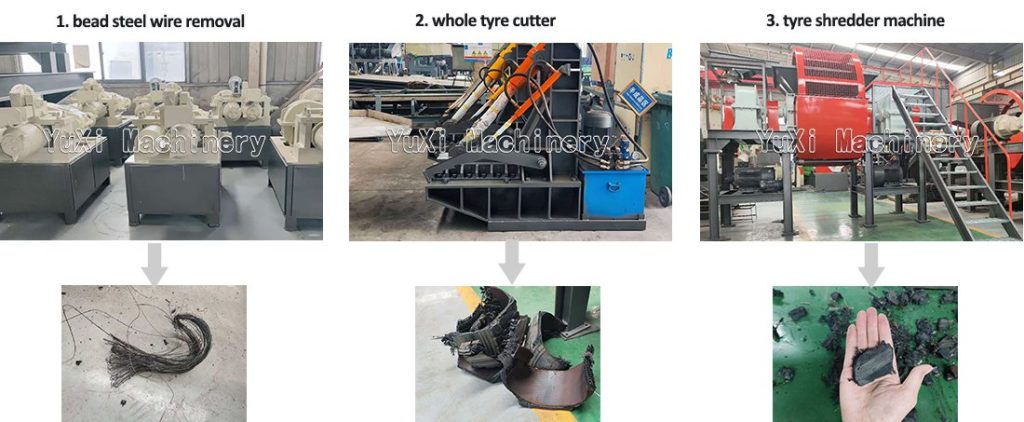
The core route is bead-wire removal, tire cutting and tire shredding. A discharge screen and oversize-return loop control the finished chip size. The standard TDF setting targets 50–80 mm, while a wider opening allows coarser output within the adjustable range.

Waste Car, Truck, OTR or Mining Tires
1. Bead Steel Wire Removal
2. Whole Tire Cutting
3. Tire Shredding
4. Screening and Oversize Return
50–80 mm Standard TDF / 50–150 mm Adjustable Output
Tire TDF Plant Process Flow
Why the screen matters: The screen opening sets the maximum accepted chip size. Pieces that do not pass the screen are returned to the shredder, so a smaller target such as 50–80 mm increases recirculation and usually reduces finished throughput compared with a coarser setting.

Machines Used in the Tire TDF Plant

Each machine deals with a different operating constraint. The debeader removes concentrated steel from the bead area, the hydraulic cutter prepares large or stiff tires for stable feeding, and the double-shaft shredder works with the selected size-control loop to produce the required TDF chips.

Tire TDF Plant Machine Details
1

Tire Debeader

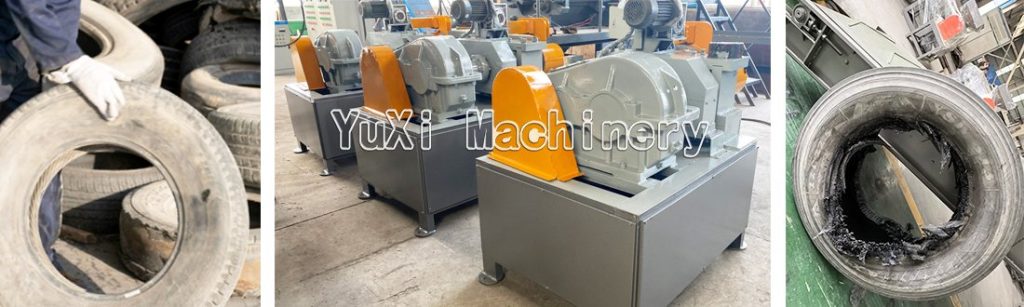
The tire debeader removes bead wire from the tire ring. The tire sidewall and inner bead opening are guided into the machine. A guide groove and limiting device position the inner opening between two opposing rollers, where the covering rubber is separated from the steel wire. This produces a tire with the concentrated bead bundle removed before cutting and shredding.

This step is particularly important for truck and larger tires because concentrated bead steel can increase shock loading and blade wear in downstream equipment.
View the tire wire drawing machine

Tire TDF Plant Machine Real Shot
2

Hydraulic Tire Cutter

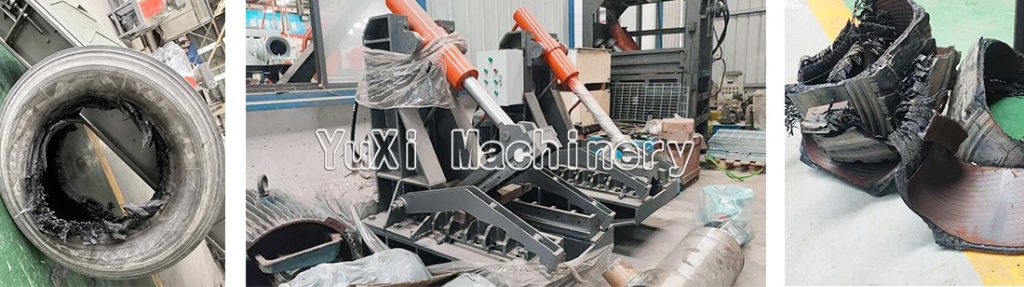
Knife material: Cr12. The motor drives the hydraulic system and oil cylinder. The tire is placed between the two blades, and the cylinder supplies the shearing force needed to cut it into sections suitable for the shredder.

The cutter uses large shearing blades and low-speed hydraulic force. Pre-cutting is especially useful when tire diameter, sidewall stiffness or irregular loading would otherwise reduce shredder stability.

View the tire cutting machine

Tire TDF Plant Real Shot
3

Tire Shredder

The double-shaft shredder performs the main size reduction. Blade width, shaft speed and blade condition affect the cutting action, while the screen opening controls which chips can leave the system. Oversized pieces return for further shredding until they pass the selected screen.

  • Double shafts: 40Cr material, with a stated surface-nitriding hardness of 55–58 HRC.
  • Bearings: ZWZ bearings are used in the listed machine configuration.
  • One-piece blades: H13 high-alloy steel, with a stated hardness of 55–58 HRC for long working life.

In practice, blade spacing, cutter condition, feed consistency and recirculation load affect both chip shape and hourly output. A smaller target size normally requires more cutting work per ton.

View the tire shredder machine

Adjustable TDF Output from 50–150 mm

The standard final TDF output for this line is 50–80 mm. The available output can be adjusted within an approximate 50–150 mm range by changing the screen specification.

A smaller screen opening keeps more oversized chips in circulation until they are reduced enough to pass. A larger opening allows coarser material to discharge sooner. The correct setting should follow the fuel user’s written acceptance standard rather than a generic market label.

  • Required final TDF size
  • Selected screen opening
  • Maximum oversize
  • Exposed-steel limit
  • Tire type and dimensions
  • Receiver feeding method

How Screen Adjustment Controls Output

Screen settingExpected outputProject use
Standard TDF screen50–80 mmMain TDF target for cement kilns and other industrial fuel users
Coarser screen settingWithin 50–150 mmProjects that accept larger tire chips or require lower recirculation
Tighter project specificationProject-specificMay require a smaller screen opening, higher recirculation and lower finished throughput

Changing the screen controls the discharge size, but actual chip distribution also depends on tire construction, blade condition, feeding stability and recirculation load.

What Determines Actual Capacity?

YUXI lists a reference capacity of 0.5–20 t/h. Finished throughput depends on tire type and the selected output setting. Producing the standard TDF size creates more recirculation than a coarser setting, so capacity should be compared under the same tire mix and operating basis.

Tire Type

Passenger tires, truck tires, OTR tires and mining tires differ in diameter, rubber mass, steel content and stiffness. A mixed feed changes average throughput.

Target Size

A smaller screen opening holds more oversize material in the return loop. This increases cutting cycles per ton and can reduce final output compared with a coarser setting.

Operating Method

Manual loading, conveyor feeding, upstream pre-cutting, shift hours, knife condition and removal of non-tire contaminants all influence practical production.

Use the same test basis when comparing suppliers. State the tire category, selected size setting, required final output, permitted oversize and continuous operating period. A capacity figure for coarser chips is not automatically equal to the same figure for accepted standard TDF.
Tire TDF Plant Application

Where Tire-Derived Fuel Is Used

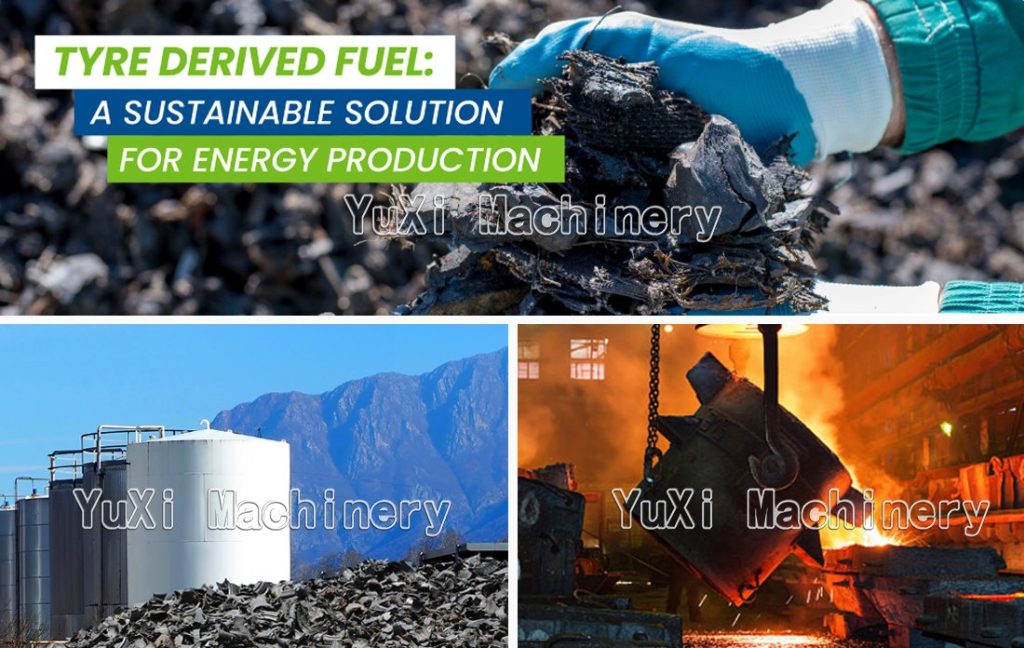
TDF is used in permitted industrial systems that can accept prepared tire chips as part of the fuel mix. The receiving equipment determines the practical chip size, oversize allowance and exposed-steel limit.

  • Fuel for cement kilns
  • Fuel for pulp and paper mills
  • Industrial and utility boilers
  • Other permitted tire-to-energy facilities
  • Rough tire chips for further processing

Civil-engineering fill, drainage material and lightweight aggregate are normally specified as tire-derived aggregate (TDA), not TDF. A TDA buyer may accept a different shred shape and size distribution from a fuel user.

Operating and Maintenance Features

Automated Material Transfer

Conveyors and a PLC control cabinet can be integrated for car- and truck-tire lines. The final feeding arrangement depends on tire diameter, weight and whether pre-cutting is used.

Safety Functions

The listed configuration includes emergency-stop controls, overload protection and blade-lock protection. Guarding, access platforms and interlocks should be confirmed with the approved plant layout.

Screen-Controlled Output

The standard final TDF size is achieved through the selected discharge screen. Changing the aperture allows a coarser or finer setting within the available output range.

Replaceable Blades

The blades are replaceable. More than 2,000 working hours is as a reference, but actual service life changes with tire construction, foreign metal, feeding stability and maintenance.

0.5–20 t/h Reference Range

The reference range covers different tire mixes and screen settings. Finished capacity should be checked against the selected output size and recirculation load.

No Chemical Conversion

The line uses mechanical debeading, cutting and shredding. It does not use a thermal process to produce oil, gas or recovered carbon material.

How We Configure the Tire TDF Plant

We begin with the tire mix and the product the customer can actually sell or use. The required chip size determines the screen specification, recirculation load and practical line capacity.

Project requirementCore process directionKey decision
Standard 50–80 mm TDF from car and truck tiresDebeading → cutting where required → shredding → 50–80 mm screening → oversize returnConfirm maximum oversize, exposed steel and fuel-user acceptance
Adjustable output within 50–150 mmSame core line with a different screen specificationSelect the screen opening according to the accepted chip size and required throughput
Mixed feed including large OTR or mining tiresHeavy bead-wire removal and suitable pre-cutting before shreddingConfirm maximum diameter, width, weight and steel construction
Higher output consistencyScreening plus controlled oversize returnConfirm the permitted oversize and expected recirculation load

Questions That Should Be Settled Before Ordering

Several quotation problems repeat from one project to another. They usually come from an incomplete feedstock description, an undefined screen setting or using “TDF” without defining the accepted finished chip.

A 10 t/h request is not enough

State whether the figure refers to incoming whole tires or accepted finished chips. Also state the selected output setting because a smaller aperture increases recirculation and changes finished throughput.

50–80 mm or 50–150 mm?

The standard final TDF size is 50–80 mm. The line can be adjusted within an approximate 50–150 mm range by changing the screen. The buyer should use the fuel receiver’s written size and oversize limits when selecting the screen.

Bead removal does not remove every steel cord

The debeader removes concentrated bead steel. Steel cord can still be visible in shredded material, so the acceptable exposed-wire level should be agreed before selecting any additional separation stage.

OTR tires change the feeding plan

Large off-road and mining tires affect pre-cutting, loading method and real throughput. Maximum tire diameter, width, weight and construction should be confirmed before the plant layout is fixed.

Blade wear is a process issue

Foreign metal, unstable feeding and heavily reinforced tires shorten blade life. Pre-cutting, inspection before feeding and regular clearance checks often matter more than a nominal blade-life figure.

The finished chips must have a buyer

Ask the fuel user for a written acceptance standard covering chip range, oversize, exposed steel and unloading method. It is safer to design around that document than around a general market description of TDF.

Which Tire Recycling Route Fits the Required Product?

MethodMain outputTypical equipment depthBest fit
Tire TDF PlantStandard 50–80 mm TDF; adjustable output within 50–150 mmDebeading, cutting, shredding, screening and oversize return as requiredAlternative-fuel and controlled tire-chip projects
Crumb rubber or mulch lineSmaller rubber granules or mulchAdditional size reduction plus steel and fiber separationLandscaping, molded products and granule markets
Rubber powder lineFine rubber powderFine grinding after steel and fiber removalCompounds, modified materials and specialist applications

A pyrolysis plant is a different type of project. It uses thermal conversion to produce oil, gas and recovered carbon material rather than TDF chips.

Mexico TDF Project

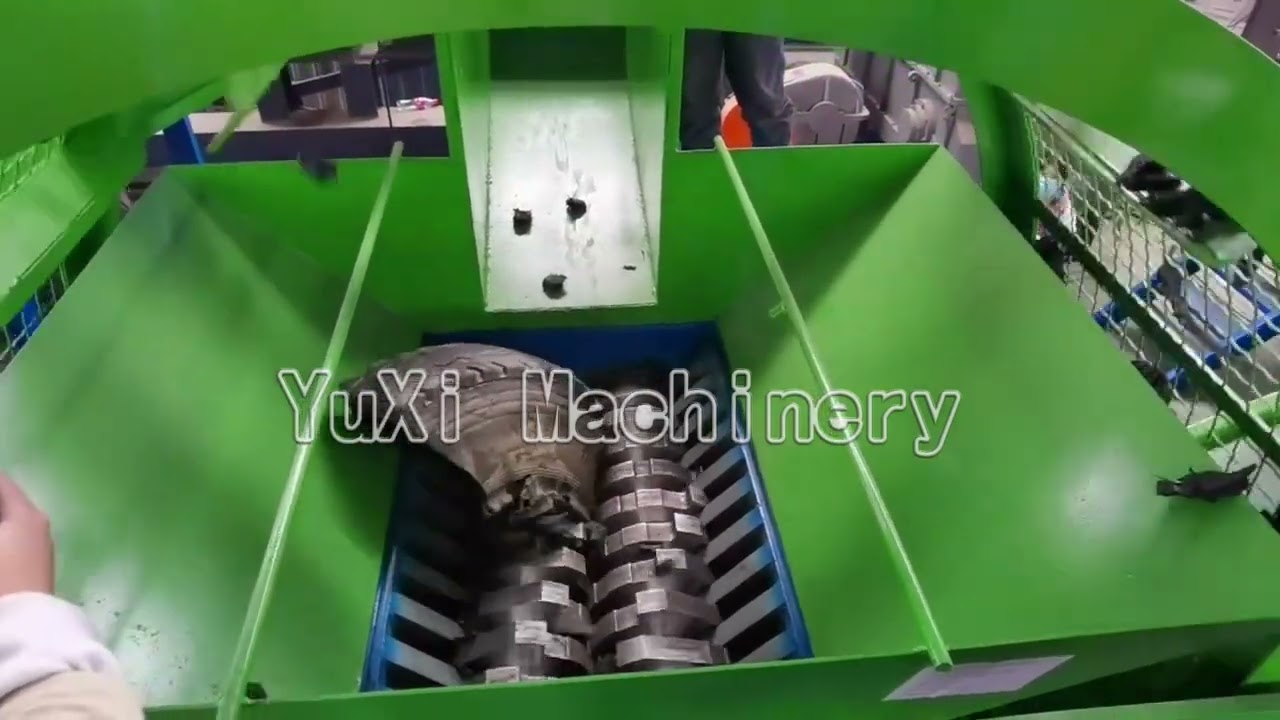
The working video shows a Mexico project processing whole tires into TDF-oriented chips.

When reviewing a test, check discharge consistency, oversize-return rate, feeding stability, overload reversal, exposed steel and access for blade service. These details give a better picture of full-shift performance than a short view of the discharge conveyor.

TDF tire shredding plant working video

Information Needed for a Practical Proposal

1. Tire Feedstock

Passenger, truck, OTR or mining tires; tire diameter and width range; approximate percentages; whether rims or foreign metal may be present.

2. Finished TDF

Required chip size, maximum oversize, exposed-steel acceptance, intended fuel user and whether further processing is planned.

3. Operating Target

Required finished-product tons per hour, shift length, annual working days, local power supply, available floor area and loading method.

A common purchasing mistake: requesting a “10 t/h tire shredder” without defining the tire mix, screen specification and finished output. The proposal should state the throughput basis so different suppliers can be compared on the same material and chip requirement.

Common Buyer Questions

Can the line process whole tires?

Yes. The line is designed for passenger, truck, OTR and mining tires. Bead-wire removal and pre-cutting are selected according to tire diameter, weight and construction.

What is the standard TDF output size?

The standard final TDF size for this line is 50–80 mm.

How is the output adjusted from 50–150 mm?

The output is adjusted by changing the screen specification. Material that passes the selected screen is discharged, while oversized pieces return to the shredder for further cutting.

Does a smaller screen affect capacity?

Yes. A smaller screen opening increases oversize recirculation and cutting cycles per ton, so finished throughput is usually lower than with a coarser setting.

Does the line remove all tire steel wire?

The debeading stage removes concentrated bead steel. It does not guarantee that every steel cord is removed from the finished chips. Confirm the acceptable exposed-steel level before selecting additional separation equipment.

How much does a Tire TDF Plant cost?

Price depends on tire mix, maximum tire size, required output, selected screen, capacity basis, conveyors, automation, steel-reduction equipment, electrical standard and project scope.

Configure the Line Around the Required TDF Size

Send the tire types, maximum dimensions, required chip size, expected finished output per hour and local power supply. We can then select the correct size-control arrangement for standard TDF or another accepted setting within the adjustable range.

Tire TDF Plant Cluster

Submit Your Inquiry

zhengzhouyuxi@yuximachine.com
+86-13674998188
WhatsApp:+86 13674998188