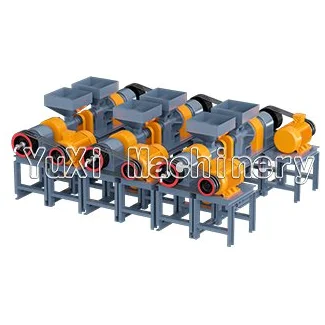
Primary Shredding
Tire TDF Plant
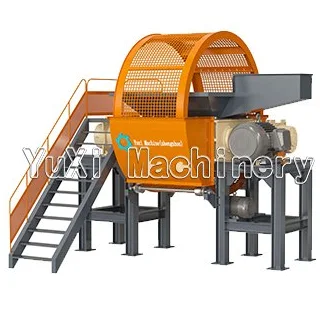
Processes whole car, truck, OTR and mining tires into consistent rough shreds for fuel use or further recycling.
- Cement kiln and industrial fuel
- Pulp and paper mill fuel
- Civil engineering applications
Choose a production line according to your required final product. YUXI can configure the system from primary tire shredding to steel and fiber separation, rubber granulation and fine powder grinding.
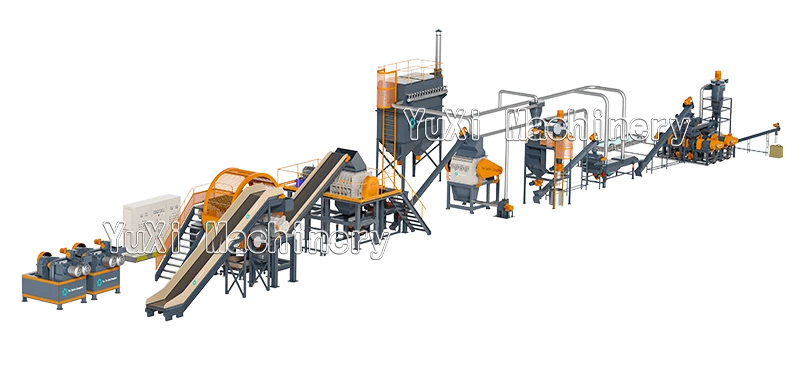
A tire recycling plant is an integrated material-processing system that reduces end-of-life tires into marketable products. Unlike a single tire shredder, a complete plant connects feeding, size reduction, screening, steel recovery, textile separation and product collection according to the required output.
The correct process is determined by what you plan to sell. A TDF buyer may need controlled tire chips, while manufacturers of rubber tiles, sports surfaces or modified asphalt may require cleaner rubber crumb or powder. For this reason, equipment selection should begin with the final product specification rather than with machine power alone.
The exact sequence changes with tire size and final product, but most mechanical tire recycling systems use the following stages.
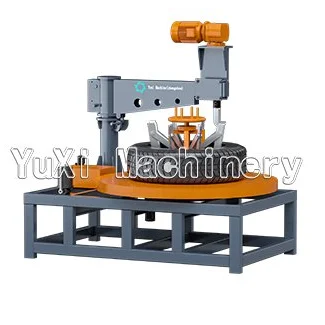
Inspect tires and remove bead wire or cut oversized tires when required for stable feeding.
Reduce whole or pre-cut tires into controlled chips with a heavy-duty tire shredder.
Use rasper processing and magnetic separation to release and recover steel wire.
Reduce clean rubber chips into selected crumb sizes and remove textile fiber.
Mill clean rubber granules into powder when finer material is required.
Compare the target output, capacity range and typical applications of each complete line.
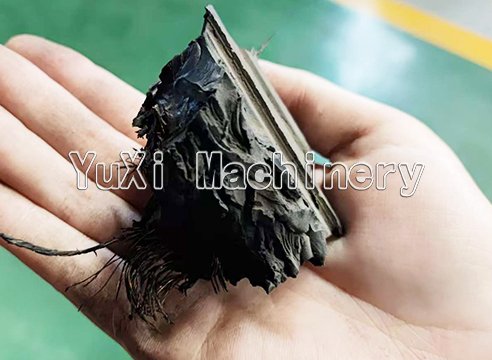
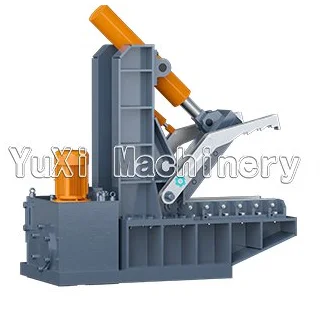
Primary Shredding
Processes whole car, truck, OTR and mining tires into consistent rough shreds for fuel use or further recycling.
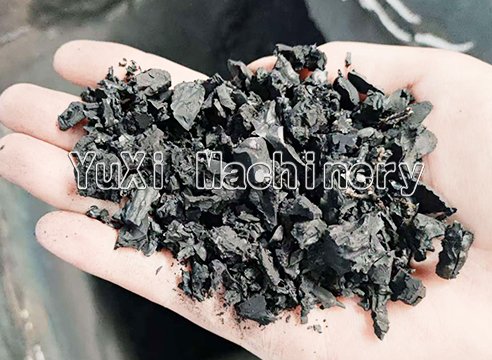
Steel Separation
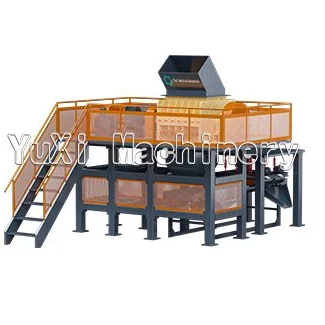
Reduces tire shreds with a rasper and magnetic separation system to recover steel and produce clean rubber mulch.
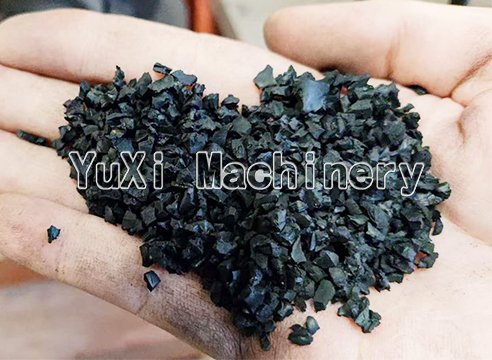
Granulation
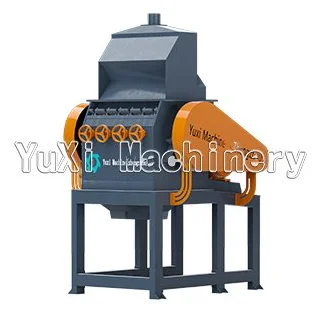
Grinds wire-free tire chips into uniform rubber granules while removing remaining textile fiber and steel impurities.
Fine Grinding
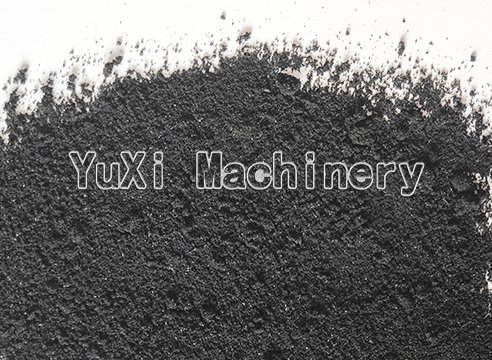
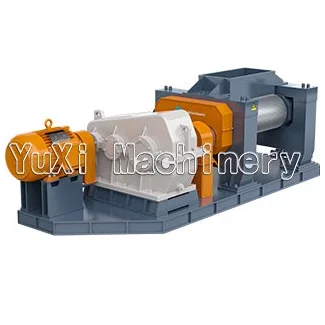
Uses clean rubber granules as feedstock and mills them into fine powder for industrial, construction and recycled rubber products.
Use the table below to quickly choose the right waste tire recycling equipment based on your target output and application.
| Production Line | Final Product | Typical Size | Main Application | Processing Depth |
|---|---|---|---|---|
| Tire TDF Plant | Tire-derived fuel chips | 50–300 mm | Cement kiln, boiler fuel, alternative fuel | Rough shredding |
| Tire Wire Free Mulch Plant | Clean rubber mulch | 10–50 mm | Playground, landscaping, ground cover | Shredding + steel removal |
| Tire Rubber Crumb Plant | Crumb rubber | 1–6 mm | Rubber mat, sports surface, artificial turf | Granulation + separation |
| Tire Rubber Powder Plant | Fine rubber powder | 10–120 mesh | Modified asphalt, rubber products, reclaimed rubber | Fine grinding |
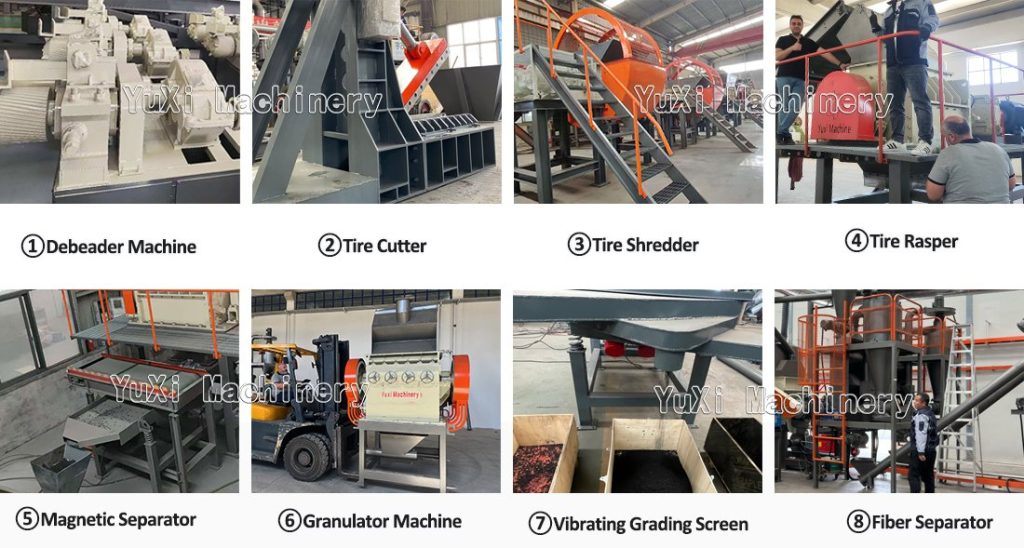
Besides complete tire recycling plants, YUXI also supplies individual tire recycling machines for plant upgrading, capacity expansion and replacement projects.
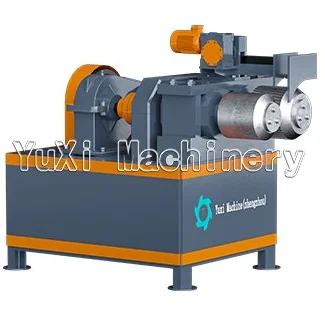
Liberates embedded steel wire and reduces tire chips before magnetic separation.
Processes clean rubber chips into uniform crumb for sports and molded products.
Performs controlled secondary grinding to produce smaller recycled rubber particles.
Fine-grinds clean rubber granules into powder for higher-value applications.
A reliable quotation needs more than a requested tonnage. These factors determine equipment size, motor power, separation stages, workshop layout and operating cost.
Confirm passenger, truck, agricultural, OTR or mixed tires, including maximum diameter, width, weight and bead construction.
Specify TDF chips, mulch, crumb or powder, together with particle-size tolerance and acceptable steel and fiber content.
State hourly and annual targets, working hours per shift, planned shifts and expected equipment utilization.
Provide workshop length, width, clear height, floor condition, loading access, raw-material storage and finished-product areas.
Share voltage, frequency, available transformer capacity, compressed air conditions and dust-control requirements.
Match the product to confirmed buyers. Deeper processing can add value but also increases equipment, energy and quality-control requirements.
Tire recycling projects are different from ordinary crushing jobs. Tire structure, steel wire content, fiber separation, output purity and plant layout all affect the final equipment configuration.
Equipment is configured according to tire type, final product size, required purity and site layout.
One project can be designed for TDF chips, rubber mulch, crumb rubber or fine rubber powder.
Magnetic separation and fiber removal systems help improve rubber cleanliness and product value.
YUXI can help evaluate equipment layout, feeding method, conveyor direction and plant space planning.
Single machines can be added to existing tire recycling plants for capacity expansion or output upgrading.
Instead of only quoting one machine, YUXI helps clarify the required output and process route first.
A tire recycling line can be built in stages. A business may begin with TDF production and later add a rasper, magnetic separator, granulator, fiber separator or rubber mill as the market develops.
Modular planning is useful when investment is phased, but the original layout should reserve enough electrical capacity, conveyor interfaces, dust collection space and product storage for future expansion. YUXI can prepare the process flow and equipment arrangement around the actual workshop.
Product value depends on local specifications and buyer requirements. Confirm the target market before finalizing the line.
Send us your tire type, required final product, expected capacity and workshop space. YUXI engineers can recommend a suitable waste tire recycling machine configuration for your project.
Contact YUXI EngineerA tire recycling machine is equipment used to cut, shred, granulate, separate or grind waste tires into reusable products such as TDF chips, rubber mulch, crumb rubber and rubber powder.
A tire recycling machine usually refers to one single piece of equipment, while a tire recycling plant is a complete production line made of several machines working together.
If you need rough fuel chips, choose a TDF plant. If you need clean rubber mulch, choose a wire-free mulch plant. If you need smaller rubber particles, choose a crumb or powder production line.
Yes. The line can be configured for passenger tires, truck tires and some larger tires, but the machine model and feeding method should be confirmed according to tire size and structure.
Steel wire can be removed by bead wire removal before shredding and by magnetic separation after shredding or granulation.
Common final products include tire-derived fuel chips, wire-free rubber mulch, crumb rubber and fine rubber powder.
Yes. Crumb rubber is usually larger rubber particles, while rubber powder is finer material produced by additional grinding or milling.
Yes. YUXI can provide complete tire recycling production lines as well as individual tire recycling machines for plant upgrading or replacement.
It is helpful to provide tire type, tire size, required final product, target capacity, workshop space and local power conditions before confirming the equipment configuration.
Yes. Many tire recycling plants start from rough shredding and later add granulation, fiber separation or rubber powder grinding equipment according to market demand.