



 EnglishEnglish
A waste tire bead cutting machine designed to cut through the steel-reinforced bead area and separate the bead ring from the tire body before shredding, helping reduce concentrated bead-wire impact on downstream cutting equipment.
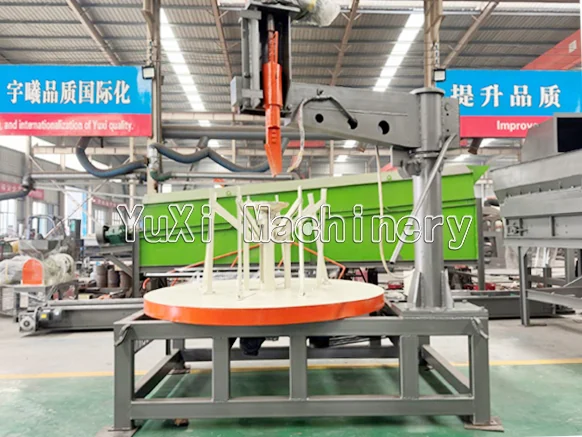
The waste tire bead cutting machine is a pre-processing machine designed to cut through the sidewall and steel-reinforced bead area of a waste tire. As the tire rotates on the worktable, an alloy cutter follows the bead circumference, severs the bead wire bundle and removes the bead ring or bead-sidewall section from the main tire body.
In a tire recycling project, the bead wire is often the hardest part of a scrap tire. If the tire is fed directly into a tire shredder or rubber powder line without bead pre-processing, the steel ring can increase cutter wear, cause unstable feeding and raise the load on the drive system. A dedicated tire bead cutter solves this problem at the front of the line. After cutting, the main tire body can be sent to a tire cutting machine or tire shredder. The removed bead section can be collected separately and, when cleaner steel recovery is required, processed by dedicated bead-wire separation equipment.
This machine is mainly used for common waste tires before tire cutting, tire shredding, rubber powder production or pyrolysis pre-treatment. It can be configured according to tire diameter, sidewall thickness and bead wire strength.
For oversized OTR tires or very thick industrial tires, the machine configuration should be confirmed by tire size, bead wire structure and required output capacity.
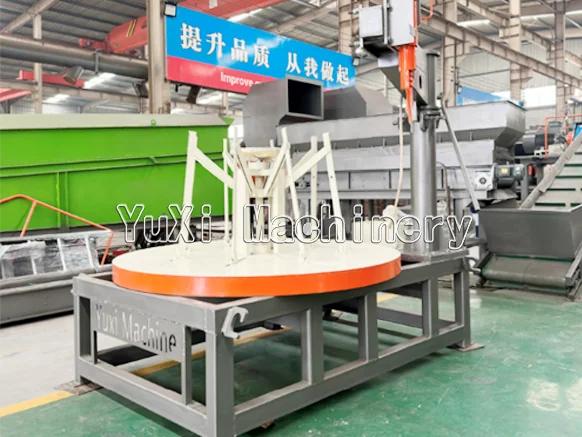
The operator places the tire on the worktable and adjusts the positioning structure according to the tire diameter. The clamping mechanism holds the tire steadily during rotation.
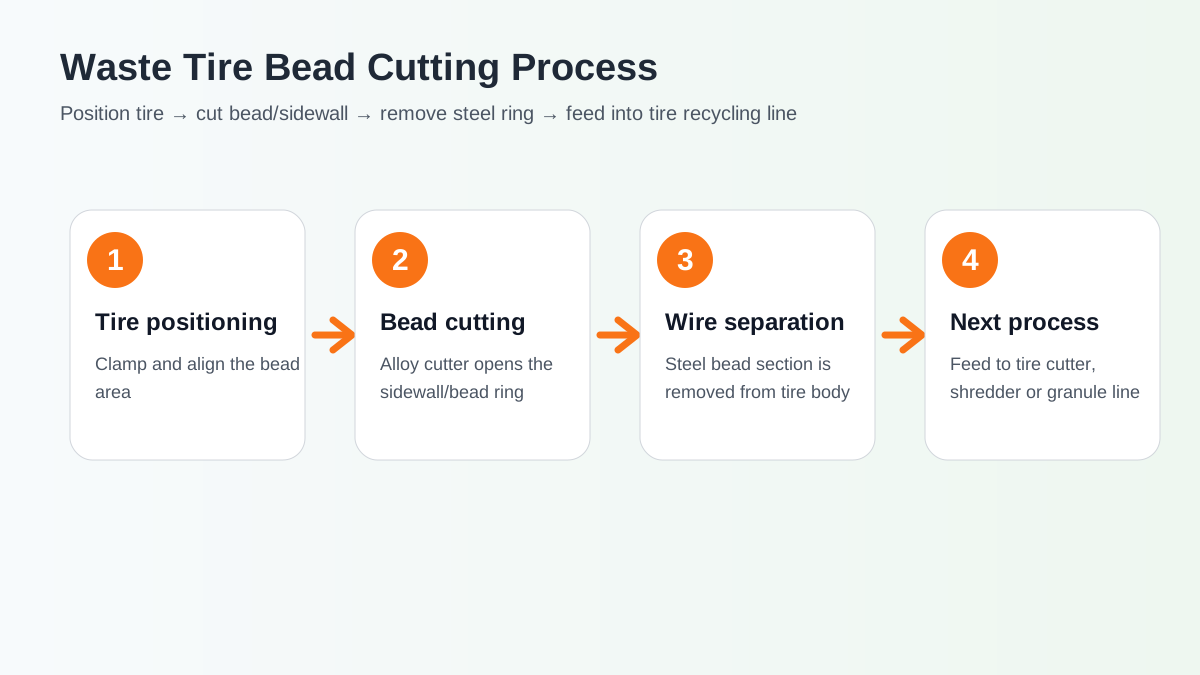
Removing or opening the bead section before shredding helps reduce direct impact from concentrated steel wire rings and makes tire feeding more predictable.
Compared with torch cutting or manual tools, a dedicated tire bead cutting machine Compared with torch cutting or handheld tools, a dedicated machine can provide a more controlled and repeatable cutting process when suitable guarding is installed and the equipment is operated correctly.
The clamping and worktable structure can be adjusted for common tire sizes, reducing the need for frequent fixture changes.
The cutter is selected for rubber and bead wire contact. It is suitable for repeated cutting work in waste tire pre-processing.
The operator loads the tire onto the worktable, adjusts the positioning structure and starts the cutting cycle from one operating station. Actual labor requirements depend on tire weight, loading method and production target.
It can work before a tire cutting machine, tire shredder, rubber crusher, granulator or full waste tire recycling line.
Final parameters should be confirmed according to tire size, bead wire strength, power supply and production layout. The table below gives the information buyers usually need before quotation.
| Item | Reference Information | Buyer Notes |
|---|---|---|
| Machine Name | Waste tire bead cutting machine / tire bead cutter / tire sidewall cutter | Common market names include tire bead cutter, tyre bead cutting machine and tire sidewall cutter. |
| Processed Material | Passenger tires, SUV tires, light truck tires, truck tires within configured range | Send tire photos and tire diameter for confirmation. |
| Main Function | Cut bead ring and sidewall section before shredding | Suitable as tire recycling pre-processing equipment. |
| Cutting Tool | Alloy cutter for rubber and steel bead contact | Blade material and replacement cycle depend on tire type. |
| Operation | Semi-automatic positioning and cutting process | Can reduce dependence on manual cutting. |
| Typical Output | Commonly evaluated by tires per hour or minutes per tire | Capacity should be matched with downstream tire shredder capacity. |
| Downstream Equipment | Tire cutting machine, tire shredder, rubber granule line, pyrolysis pre-treatment line | Best selected together with the full process route. |
| Customization | Voltage, motor power, worktable size, guard design, line layout | Export projects normally require voltage and site layout confirmation. |
Video is useful for this type of equipment because buyers need to see the tire positioning, cutting path and worktable movement. The machine should not be judged only by a catalog photo; the real cutting action shows whether the structure is stable enough for repeated tire pre-processing.
When checking the video, pay attention to whether the tire is held firmly, whether the cutter enters the bead area smoothly, and whether the tire body can be removed without repeated manual adjustment.
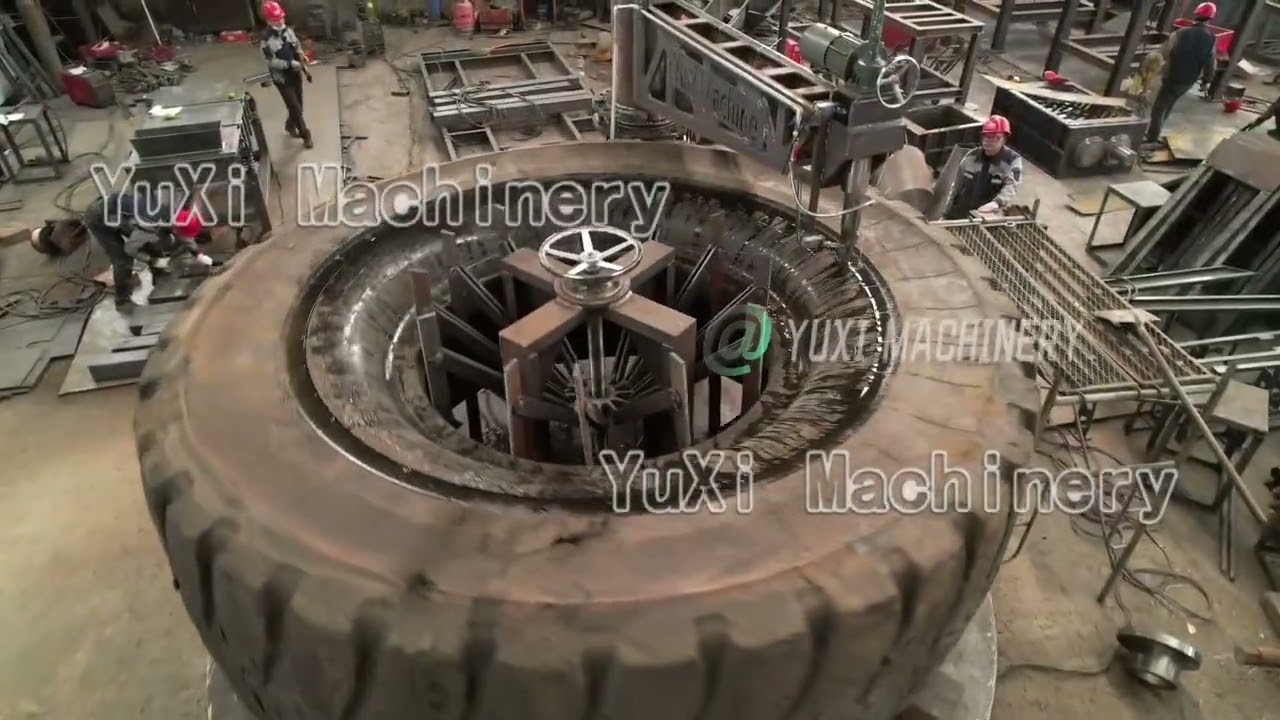
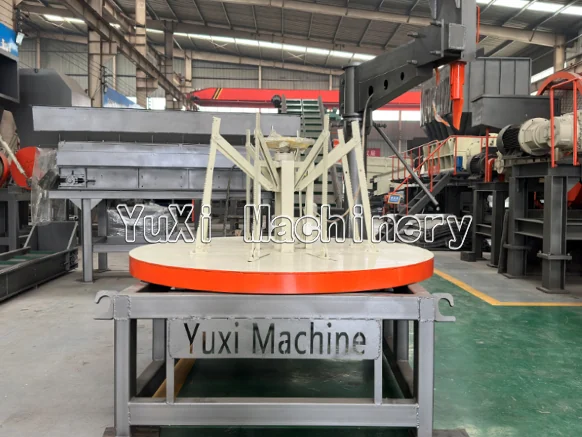
The tire bead cutting machine is not an isolated machine. In most projects, it is placed before size reduction equipment. By handling the bead area first, the tire body becomes easier to cut into sections, shred into chips or process into rubber granules.
Waste tire collection → tire bead cutting machine → tire cutting machine → tire shredder → rubber crusher / granulator → steel wire and fiber separation.
For small recycling workshops, this machine can be used as a standalone pre-processing unit. For full recycling plants, it should be matched with conveyor height, operator position, tire storage area and downstream equipment capacity.
Related equipment: Tire Wire Drawing Machine, Tire Cutting Machine, Tire Shredder Machine.
These terms often appear in the same search results, but suppliers may use them differently. Buyers should compare the machine’s actual function, tire size range and position in the recycling process rather than relying only on the equipment name.
| Term | What It Usually Does | Typical Output |
|---|---|---|
| Tire Bead Cutting Machine | Cuts through the sidewall and steel-reinforced bead area around the tire circumference. | Main tire body plus a removed bead ring or bead-sidewall section containing steel wire and rubber. |
| Tire Sidewall Cutter | Often refers to the same or a similar machine that cuts off one or both tire sidewalls near the bead area. | Tire body plus separated sidewall/bead sections. |
| Tire Bead Wire Remover / Tire Debeader | Pulls the complete bead wire bundle from the tire using hydraulic or mechanical force. | Tire body plus extracted bead wire, usually with some adhering rubber. |
| Tire Bead Wire Separator | Processes a previously cut bead section to separate its rubber from the embedded steel wire. | Recovered steel bead wire and separated bead rubber. |
What about a tire steel wire separator?
This term may refer to equipment used later in the recycling process to separate steel wire from rubber material. It should not automatically be treated as another name for a tire bead cutter or bead wire remover. Buyers should confirm the input material and expected output with the supplier.
Before selecting a waste tire bead cutting machine, do not start with motor power only. A better selection starts from tire type and the final recycling process.
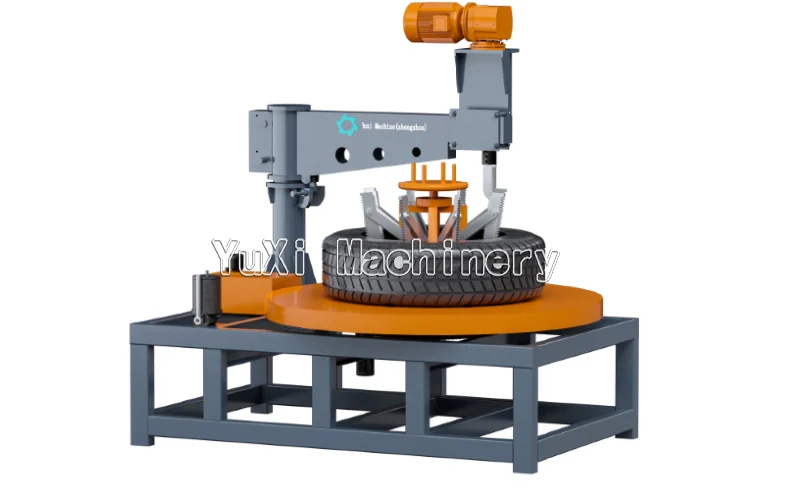
It is used to cut the bead ring and sidewall section of waste tires before tire cutting, shredding or rubber granule production.
In many projects, the terms overlap. In many supplier catalogs, the two terms refer to the same or a very similar machine. Both usually cut around the sidewall and bead area before further tire processing. Buyers should confirm whether the machine removes one sidewall, both sidewalls or the complete bead section.
The steel bead ring is one of the toughest parts of a tire. Pre-cutting it can reduce cutter stress and make tire feeding into the downstream shredder more stable.
Yes, if the machine is configured for the tire diameter and bead wire strength. Tire photos and size range should be confirmed before quotation.
The machine cuts through the steel-reinforced bead area and removes the bead ring or bead-sidewall section from the main tire body. However, the steel wire normally remains partly covered by rubber inside the removed bead section. A bead wire separator may be required if cleaner steel recovery is needed.
Replacement depends on tire type, bead wire thickness, operating hours and maintenance. Buyers should keep spare cutters for continuous production.
Yes. Export machines can usually be configured according to local voltage and frequency requirements.
No. It handles the concentrated steel wire in the bead area only. Steel belts and other wire reinforcement inside the tread and tire carcass are normally recovered later through shredding, crushing and magnetic separation.
If you already have downstream equipment, a standalone machine may be enough. For a new plant, it is better to match it with tire cutting, shredding and separation equipment from the beginning.
Send your tire type, tire diameter range, expected capacity, voltage and downstream process. YUXI can recommend a tire bead cutting machine layout for waste tire recycling, rubber powder production or tire shredding pre-processing.