


Waste tires
Passenger-car, truck or mixed tire feed should be confirmed before the line is sized.

 English
Waste Tire Recycling · Rubber Powder Production
A complete ambient-processing line for turning waste tires into clean rubber powder while recovering steel wire and separating textile fiber. The line combines tire preparation, primary shredding, steel liberation, rubber granulation, grading and fine grinding in one continuous process.

Plant Overview
The rubber powder plant physically processes waste tires into clean rubber powder at normal temperature. No chemical treatment is required for the size-reduction process, and the line is arranged to remove steel and fiber before final grinding.
The complete route includes a tire debeader, tire cutter, tire shredder, tire rasper, magnetic separation, rubber granulator, vibrating grading screen, fiber separation and rubber grinding system. Material can be collected at several stages, so the same plant can recover steel wire and fiber while producing rubber blocks, 10–20 mm rubber chips, 1–8 mm wire-free rubber pellets and 20–120 mesh rubber powder.
The commercial target should be defined before equipment selection. Confirm the tire mix, required finished powder size, expected purity, working hours and local product market. These details determine screen selection, return load, grinding duty and the final layout.
Passenger-car, truck or mixed tire feed should be confirmed before the line is sized.
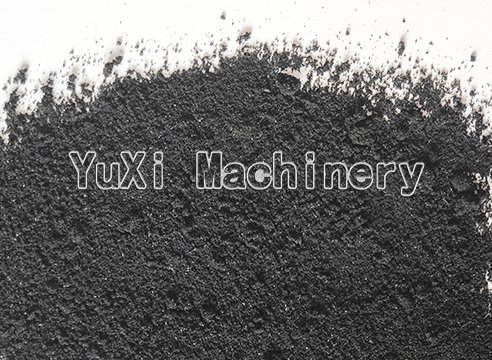
High-purity finished powder in the stated 20–120 mesh range.
Bead steel and liberated tire wire are removed through preparation and magnetic separation.
Fiber is separated from the granulated rubber before fine grinding and collection.
Process Flow
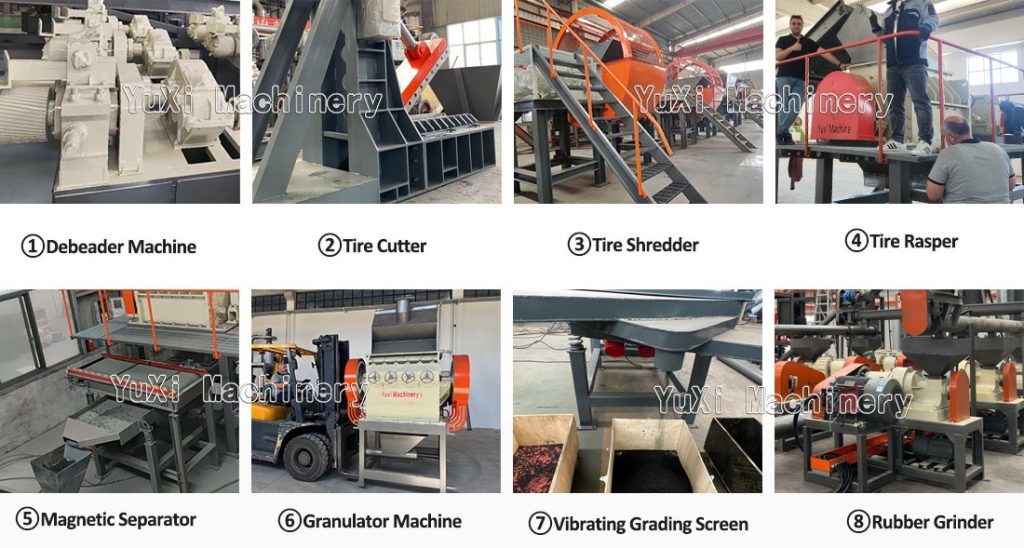
The sequence below follows the numbering in the YUXI process image. Each stage prepares a controlled feed for the next machine; stable output depends on the handoff between stages, not on one machine operating alone.
Removes bead steel before cutting and shredding, reducing heavy steel entering downstream equipment.
Cuts the whole tire into four or five pieces for controlled feeding into the tire shredder.
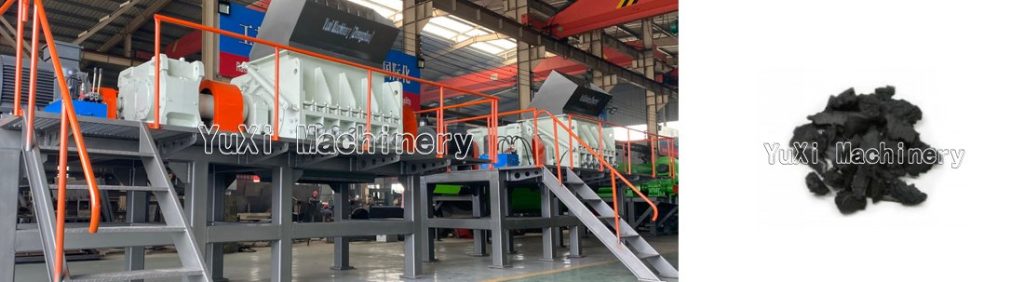
Reduces tire sections to 50–150 mm rubber blocks for the rasper stage.
Produces 10–20 mm rubber chips and liberates embedded steel from the rubber.
Recovers liberated steel wire before the rubber enters the granulator.
Produces wire-free rubber pellets of 1–8 mm, with fiber separated.
Grades the rubber and directs the correct particle size to the grinding system.
Grinds clean 1–8 mm rubber granulate into 20–120 mesh fine rubber powder.
A second magnetic pass after granulation captures finer steel released later in the process. The process description gives a 99% sorting rate at this stage.
Material outside the selected grade is collected and returned for further size reduction rather than mixed with finished product.
Air separation removes loosened textile from the rubber granulate before the final powder-grinding stage.
Working Video
Use the video to check the actual equipment sequence, material transfer and product appearance. A useful review should follow the same material through size reduction, steel recovery, granulation, separation and final collection.
What to look for: steady feeding, consistent discharge size, clean steel recovery, fiber removal, screen return and the appearance of the finished rubber powder.
Material Handoffs
A production-line quotation should describe the output of every machine, not only the final powder. This makes it easier to check whether each downstream stage receives material within its intended range.
| Stage | Input | Output | Operating purpose |
|---|---|---|---|
| Tire Cutter | Whole waste tires | Four or five tire sections | Creates manageable pieces for controlled shredder feeding. |
| Tire Shredder | Whole or pre-cut tires | 50–150 mm rubber blocks | Primary size reduction before steel liberation. |
| Tire Rasper | Rough tire shreds below 100 mm | 10–20 mm wire-free rubber mulch; 99% liberated steel | Opens rubber around embedded steel so magnets can recover it. |
| Magnetic Separator | 10–20 mm chips mixed with steel and fiber | 97–98% recovered steel; rubber and fiber continue | Reduces metal carryover before granulation. |
| Tire Granulator Machine | Wire-free 10–20 mm chips | Wire-free rubber pellet 1–8 mm, fiber separated | Produces a clean, controlled feed for grading and grinding. |
| Fiber Separator | Rubber granulate and textile fiber | Textile-free rubber granulate; 99.9% textile separation figure | Protects powder quality and reduces fiber in the finished stream. |
| Rubber Grinding Mill | Clean rubber granulate smaller than 1–8 mm | 20–120 mesh rubber powder; 99.7% purity | Final fine grinding with wind and water cooling. |
Finished Product
“Rubber powder” is not a complete purchase specification. The buyer should confirm the accepted mesh range, steel and fiber limits, product cleanliness and the intended application before the final screen and grinding configuration are selected.
The rubber grinding mill is stated to produce 20–120 mesh powder. The exact target should be written into the proposal and acceptance conditions.
Steel removal depends on effective bead removal, rasper liberation and the two magnetic separation points operating under a steady material layer.
Fiber should be removed before fine grinding. Air volume, feed stability and particle grading affect the separation result.
Wind and water cooling help control heat during fine grinding and support stable powder quality.
Oversize particles should be returned for reprocessing instead of being allowed into the accepted product stream.
Compare capacity at the required final mesh, not only the feed rate entering the first machine.
Buyer Problems
Most operating problems appear at the transfer point between two machines. The checks below should be discussed before layout approval and again during commissioning.
Check: rasper steel liberation, magnetic-belt loading, magnet height and belt speed. Keep the second magnetic separation point after granulation for finer residual wire.
Check: feed surges, moisture, air volume and whether mixed particle sizes are entering the fiber separator. Grade the rubber before final collection.
Check: the required mesh, return load, tire mix, knife condition and upstream feed stability. Finer finished powder requires more grinding work.
Check: wind and water cooling, mill loading and continuous feed rate. Avoid forcing excess material through the grinder.
Check: metering, screen condition and return-conveyor capacity. The return system must carry oversize material without accumulating below the screen.
Check: residual steel, oversize feed and knife clearance. The granulator should receive prepared 10–20 mm wire-free chips, not uncontrolled rough shreds.
Check: enclosure around high-drop transfers and extraction at the granulator, screen, fiber separator and powder collection points.
Check: local end-user requirements before ordering. Confirm mesh range, cleanliness, packaging and application requirements with a real downstream customer.
Machine Details
The equipment must be sized as one connected system. A larger upstream machine does not improve finished output when the next stage, screen return or separation system becomes the bottleneck.

The tire shredder handles bulky waste tires or pre-cut tire sections and reduces them to manageable blocks for the rasper. The corrected output range for this production line is 50–150 mm.
The rasper receives rough tire shreds below 100 mm, reduces them to 10–20 mm rubber chips and opens the rubber around embedded steel. Effective liberation is essential for the following magnetic separator.
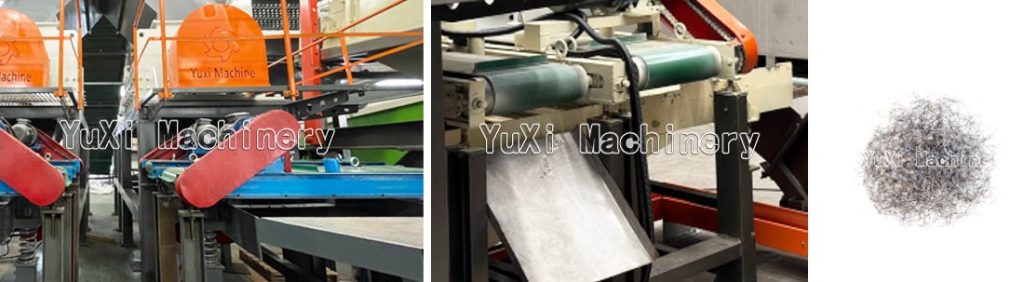
The magnetic separator receives 10–20 mm rubber chips mixed with liberated steel wire and fiber. A stable material layer and correct magnet position are important for consistent recovery.

The granulator receives prepared 10–20 mm wire-free chips. Knife condition, clearance, screen opening and feed stability influence particle distribution and operating temperature.
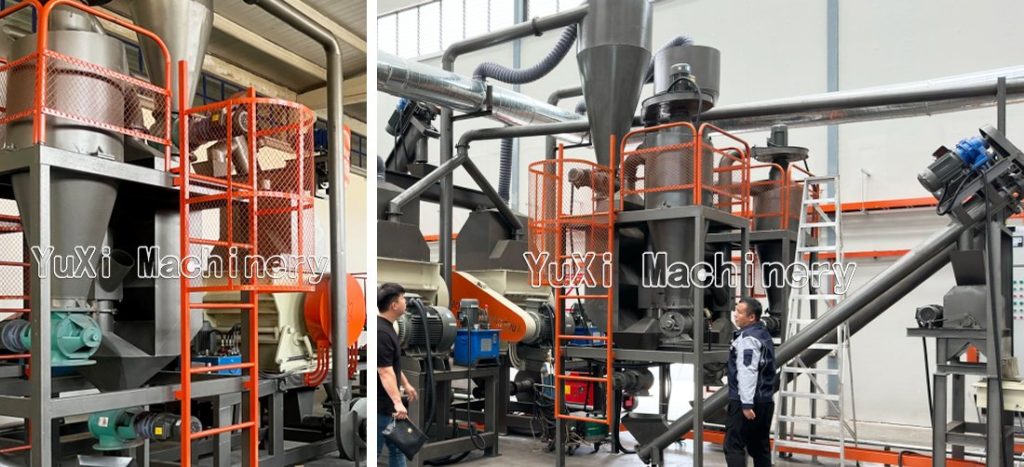
The fiber separator removes textile material from the rubber granulate before the fine-grinding stage. The textile fraction may include nylon, polyester, rayon, aramid and a small amount of rubber.
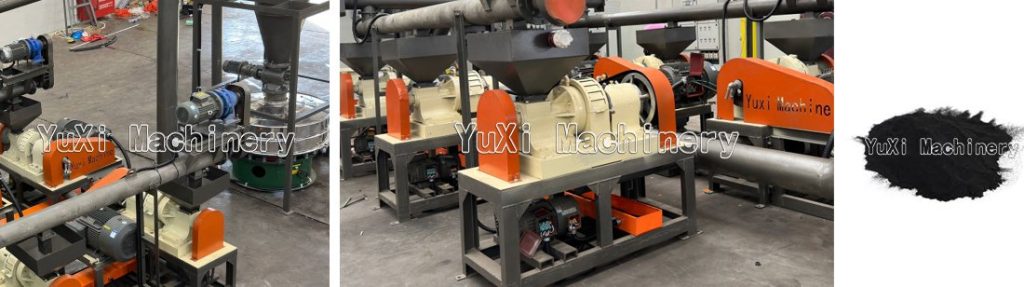
The rubber grinder receives clean granulate smaller than 1–8 mm and produces fine powder. Wind and water cooling are used to control heat during the grinding process.
Applications
Different applications purchase different particle sizes and cleanliness levels. Confirm the buyer’s material specification before the final grinding and collection system is approved.
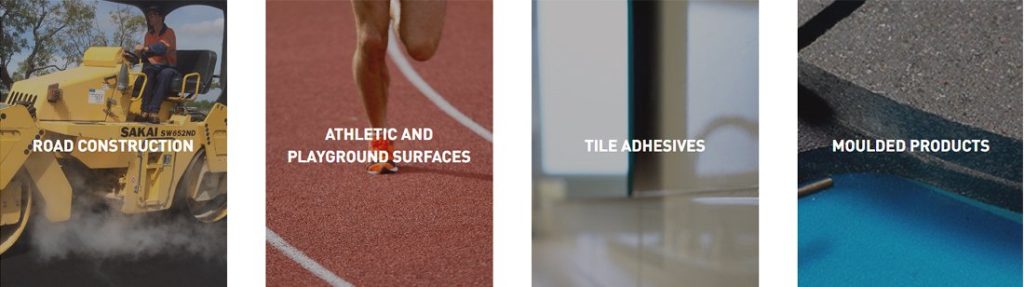
Rubber asphalt and shock-absorbing road materials.
Running tracks and other impact-absorbing surface systems, subject to the local specification.
Rubber-containing adhesives, recycled rubber boards and filler applications.
Seals, shoe soles, rubber mats, shock absorbers and other moulded rubber products.
Plant Features
Combines tire size reduction, rubber granulation, separation and fine grinding in one production line.
Produces uniform fine rubber powder after the material has been cleaned and graded.
Wind and water cooling help maintain powder quality during fine grinding.
Compact equipment arrangement is designed to reduce unnecessary energy use.
Centralized control supports coordinated feeding and easier daily operation.
Machines are designed for practical assembly, disassembly and routine wear-part service.
Project Planning
Accurate project information allows the shredder, rasper, granulator, separators, grinder and conveyors to be balanced around the same finished-product target.
Why quotations differ: plant price changes with tire mix, finished mesh, capacity, separation requirements, automation, conveyor length, dust control, local electrical standard and installation scope. Compare the included equipment and performance basis line by line.
FAQ
The complete line produces 50–150 mm rubber blocks, 10–20 mm rubber chips, 1–8 mm wire-free rubber pellets and 20–120 mesh rubber powder. It also recovers steel wire and separates textile fiber.
The corrected tire shredder output for this production line is 50–150 mm. The following tire rasper reduces this material to 10–20 mm rubber chips.
The tire granulator receives wire-free 10–20 mm chips and produces wire-free rubber pellets of 1–8 mm, with fiber separated.
The debeader removes bead steel. The tire rasper then liberates embedded wire, and magnetic separators recover steel before and after granulation.
Granulation loosens the textile material, and the fiber separator uses controlled airflow to separate it from the graded rubber stream before fine grinding.
The grinding system uses wind and water cooling. Stable feeding and avoiding mill overload also help control temperature.
Provide tire types and sizes, required finished mesh, target finished output, purity requirements, voltage, workshop dimensions, destination country and the required delivery scope.
Prepare an Accurate Proposal
Share your tire mix, maximum tire size, target finished mesh, required output, voltage and workshop dimensions. YUXI will configure the complete tire rubber powder production line around the specified material flow and final product.